
.webp?1748953676)

.webp?1744361151)
.webp?1759816048)





Renting a car in Porto provides unparalleled freedom to explore Portugal’s diverse landscapes, from the historic Douro Valley to the vibrant coastal towns. For travelers planning a trip from the United States, understanding the local rental process, regulations, and costs is paramount to a smooth journey.
Getting Started: Your Porto Rental Car
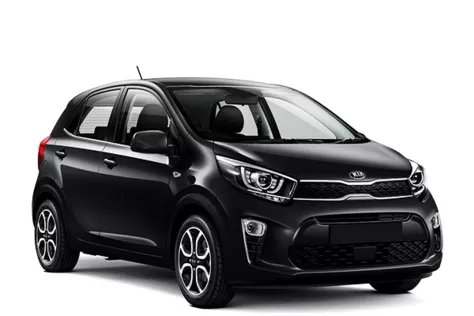
When booking a rental car in Porto, especially from a US perspective, several factors come into play. The primary currency you’ll encounter for rental prices and deposits is the Euro (EUR). Expect to see prices like ‘Kleinwagen: ab 25 EUR/Tag (ca. 27 USD/Tag)’ for compact cars. Larger vehicles or those with specific features will naturally cost more.
Required Documentation for US Citizens:
Valid US Driver’s License: This is generally accepted for short-term rentals.
International Driving Permit (IDP): While not always mandatory, an IDP is highly recommended for US citizens renting a car in Portugal. It serves as a translation of your US license and can prevent potential issues with local authorities. You can obtain an IDP from organizations like AAA.
Passport: You’ll need to present your passport as identification.
Credit Card: Most rental companies require a credit card in the main driver’s name for the security deposit.
Age Requirements:
Typically, drivers must be at least 21 years old to rent a car in Portugal, and some companies may have higher age limits or impose surcharges for drivers under 25.
Understanding Costs and Insurance
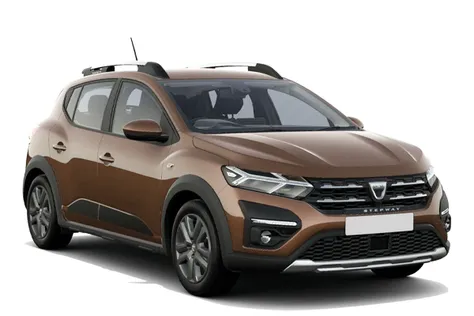
Prices for rental cars in Porto can fluctuate based on the season, vehicle type, and rental duration. Expect average daily rates to range from approximately 25 EUR (ca. 27 USD) for a small economy car to 50 EUR (ca. 54 USD) or more for an SUV or larger vehicle. Longer rental periods often come with daily discounts.
Deposit: A security deposit, usually between 200 EUR and 1000 EUR (ca. 215 USD to 1075 USD), is standard and is held on your credit card. This is released after you return the car in good condition.
Insurance:
Collision Damage Waiver (CDW) / Theft Protection (TP): These are often included in the rental price, but it’s vital to understand the excess (deductible) amount. The excess in Portugal can be substantial, so consider the following additional options:
Super CDW / Excess Reduction: This significantly lowers or eliminates your excess liability. While it adds to the daily cost, it offers peace of mind.
Third-Party Liability (TPL): This covers damage to other vehicles or property and is usually mandatory in Portugal.
For travelers from the USA, it’s wise to check if your personal travel insurance or credit card offers any rental car coverage, but always ensure it’s valid for rentals in Portugal.
Vehicle Types and Recommendations
Porto and its surrounding areas offer a variety of road conditions.
City Driving in Porto: For navigating the narrow, often crowded streets of Porto, a compact car or economy model is ideal. Parking can be challenging, and a smaller vehicle makes it easier.
Exploring the Douro Valley: The scenic routes through the Douro Valley are well-maintained, but some smaller roads can be winding. A standard sedan or a compact SUV will handle these roads comfortably.
Coastal Drives: For exploring the beaches and towns along the Atlantic coast, any standard car will suffice.
Popular models you might find include the Fiat 500, Volkswagen Golf, Renault Clio, and various Peugeot models.
Driving in Portugal: What You Need to Know
Speed Limits:
Highways (Autoestradas): 120 km/h
Main roads outside urban areas: 90 km/h
Roads within urban areas: 50 km/h (unless otherwise signposted)
Traffic Laws & Regulations:
Right-hand driving: Portugal drives on the right side of the road.
Seatbelts: Mandatory for all occupants.
Mobile Phones: Using a mobile phone while driving is prohibited unless using a hands-free device.
Alcohol Limits: Portugal has a strict drink-driving policy. The legal blood alcohol limit is 0.5 grams per liter.
Toll Roads (Portagens): Many highways in Portugal are toll roads. You can pay using electronic toll systems (Via Verde) or at toll booths. Rental cars often come with or can be fitted with a transponder for automatic payment, which is convenient.
Parking: Parking in cities like Porto and Lisbon can be difficult and often requires payment. Look for designated parking zones and pay attention to signs.
Fuel: Most rental cars in Portugal run on unleaded gasoline (gasolina) or diesel (gasóleo).
Popular Destinations to Explore from Porto
With a rental car, Porto serves as an excellent base for numerous day trips and longer excursions:
Douro Valley: Drive through picturesque vineyards and stop at Quintas for wine tasting. The N222 is famously one of the most beautiful driving roads in the world.
Braga and Guimarães: Visit these historic cities, the birthplace of Portugal.
Aveiro: Known as the ‘Venice of Portugal’ for its canals and moliceiro boats.
Coimbra: Explore the ancient university city.
Peneda-Gerês National Park: For an adventure into Portugal’s only national park, offering stunning landscapes and hiking opportunities.
Seasonal Recommendations
Spring (March-May) and Autumn (September-November): These are ideal times for a road trip. The weather is pleasant, and crowds are smaller than in peak summer. The Douro Valley is particularly beautiful during these seasons.
Summer (June-August): Peak tourist season. Expect higher rental prices and more crowded attractions. Coastal areas are popular for beach holidays.
Winter (December-February): Fewer tourists, potentially lower rental prices. Weather can be cooler and wetter, especially in the north, but still enjoyable for city breaks and wine region visits.
Cost-Saving Tips
Book in Advance: Especially if traveling during peak season, booking your rental car early can secure better rates.
Compare Providers: Use comparison websites to find the best deals from various rental companies operating in Porto.
Choose a Smaller Car: If your needs allow, opt for an economy or compact car, which is more fuel-efficient and often cheaper to rent.
Understand Fuel Policies: Most companies offer either a ‘Full to Full’ or ‘Pre-purchase Fuel’ option. ‘Full to Full’ is usually more cost-effective – pick up the car with a full tank and return it full.
- Avoid Airport Surcharges: While convenient, airport pick-ups can sometimes be more expensive. If time permits, consider picking up your car from a city branch.
By being prepared with the necessary documents and understanding local driving practices, your car rental experience in Porto will be a gateway to an unforgettable exploration of Portugal.